
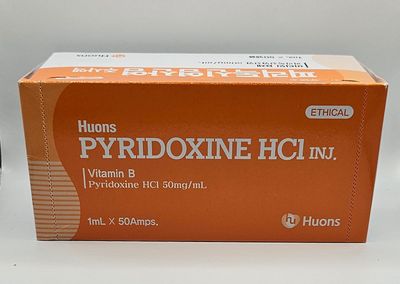
Pyridoxine Hydrochloride Inj.
Pyridoxine hydrochloride (vitamin B6) solution for intramuscular, subcutaneous or intravenous injection, used for vitamin B6 deficiency. Fifty 1 ml ampoules per box.
Active ingredient
Pyridoxine hydrochloride (vitamin B6)
Strength
50 mg/ml
Pack
50 ampoules × 1 ml
Administration
Intramuscular, subcutaneous or intravenous injection

Contents05 sections
01 Overview
Pyridoxine Hydrochloride Inj. is a prescription solution of pyridoxine hydrochloride (vitamin B6) for injection, manufactured by Huons, South Korea. Vitamin B6 is involved in neurotransmitter synthesis, red blood cell formation and macronutrient metabolism. The Korean label gives the dose for use when oral administration is difficult.
02 Key benefits
- Prevention and treatment of vitamin B6 deficiency
- Supports neurotransmitter synthesis and red blood cell formation
- Once- or twice-daily dosing
- Supplied as a solution; no reconstitution required
03 How to use
- Adult daily dose (Korean label)
- 10–100 mg
- Dosing frequency
- 1–2 divided doses a day
03.1Method
- Use injection when oral administration is difficult.
- Cut the ampoule carefully to minimise glass fragments in the solution.
- Inject intramuscularly, subcutaneously or intravenously.
- Adjust to age and symptoms; vitamin B6 dependency may need higher doses.
- After high doses, reduce gradually rather than stopping abruptly.
04 Storage & handling
- Store at 1–30 °C (room temperature).
- Keep tightly closed in the original light-resistant container, away from direct sunlight and moisture.
05 Frequently asked questions
Who may administer Pyridoxine Hydrochloride Inj.?
Qualified medical professionals only; it is not for self-administration. It is a prescription medicine in Korea. Koregen supplies Pyridoxine Hydrochloride Inj. to clinics and distributors.
Who should not receive it?
Patients hypersensitive to the product or its ingredients, and patients receiving levodopa, because pyridoxine increases the peripheral metabolism of levodopa and can reduce its effect.
Which interactions are listed?
Besides levodopa, it is not to be combined with altretamine and cisplatin, as response duration was shortened in ovarian cancer patients. Isoniazid, penicillamine and oestrogens, including oral contraceptives, increase vitamin B6 requirement.
What adverse reactions are listed?
Photosensitivity, nausea, headache, drowsiness, and discomfort or pain on injection. Large doses in newborns and infants may cause rhabdomyolysis and acute renal failure; high oral doses over months may cause sensory neuropathy.
Can it be used in pregnancy?
With caution. The Korean label notes that high doses in pregnancy have been associated with vitamin B6 dependency syndrome in newborns and infants.
| Active ingredient | Pyridoxine hydrochloride (vitamin B6) |
|---|---|
| Strength | 50 mg/ml |
| Pack | 50 ampoules × 1 ml |
| Administration | Intramuscular, subcutaneous or intravenous injection |
| Appearance | Colourless to pale yellow solution; brown ampoules |
| Excipient | Water for injection |
| Shelf life | 36 months from manufacture |
| Manufacturer | Huons, South Korea |
Recommended Archive
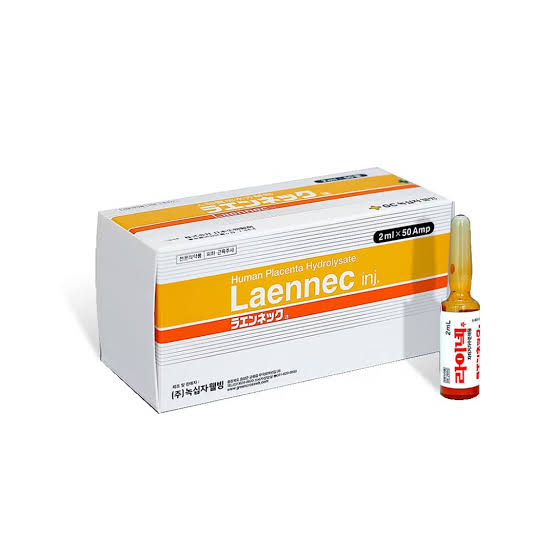
Laennec Inj.
Human placenta hydrolysate for subcutaneous or intramuscular injection, used to improve liver function in chronic liver disease. Fifty…
341$
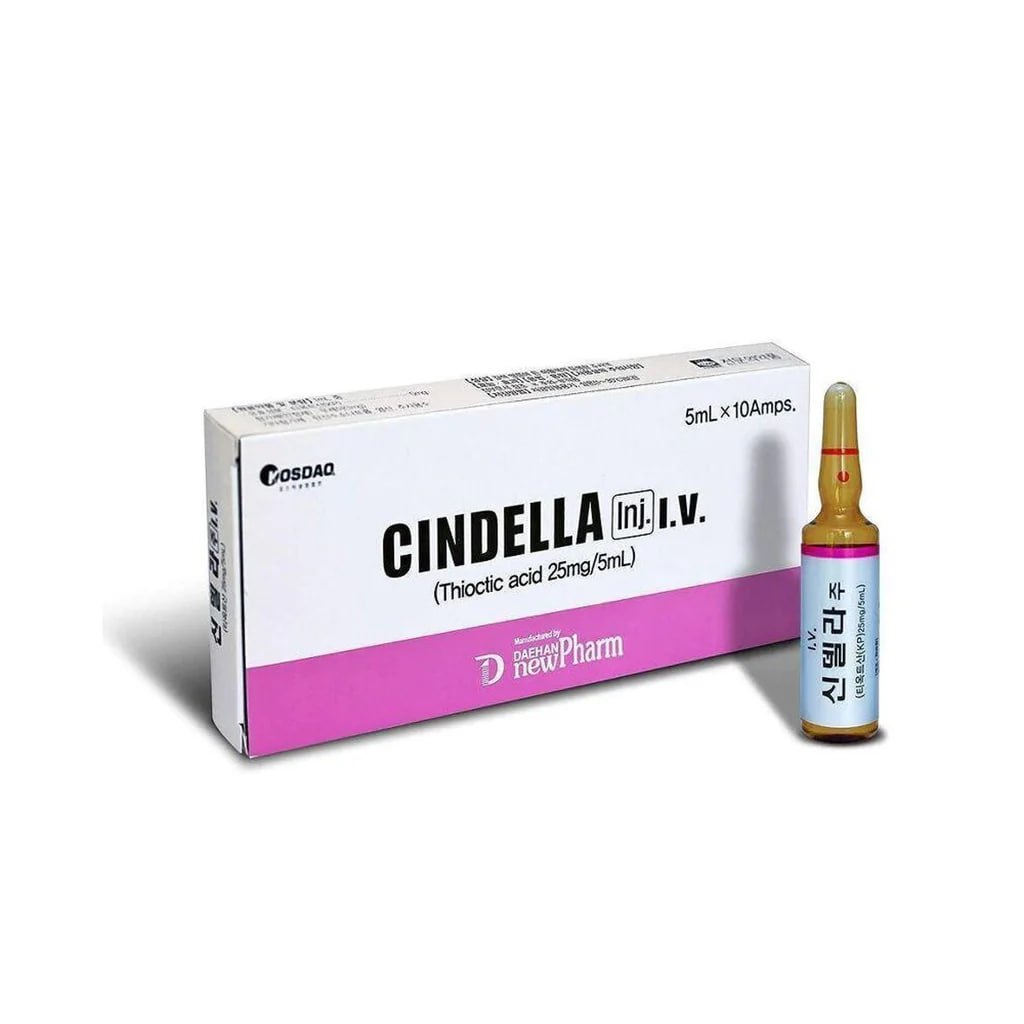
Cindella Inj.
Thioctic acid (alpha-lipoic acid) solution for intravenous injection, an antioxidant often combined with glutathione and vitamin C. Ten…
41$
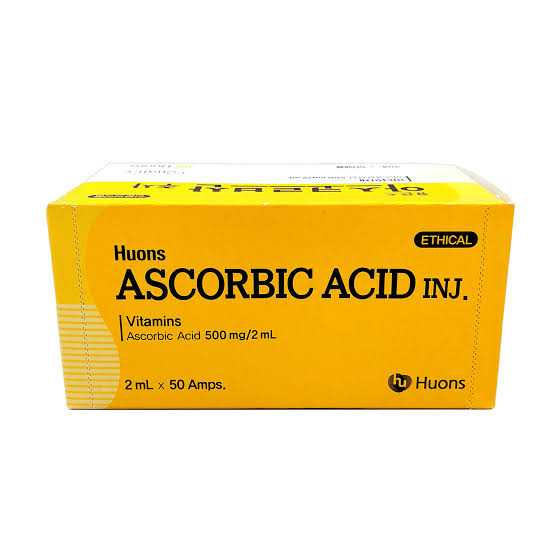
Ascorbic Acid Inj.
Ascorbic acid (vitamin C) solution for subcutaneous, intramuscular or intravenous injection, used for vitamin C deficiency. Fifty 2…
40$