
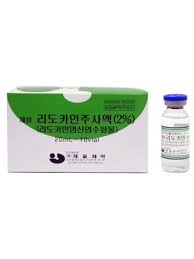
Lidocaine HCl Inj. 2%
Lidocaine hydrochloride 2% solution for injection, a local anaesthetic used for epidural, nerve block, infiltration and surface anaesthesia. Ten 20 ml vials per box.
Active ingredient
Lidocaine hydrochloride
Concentration
2% (20 mg/ml)
Pack
10 vials × 20 ml
Form
Clear, colourless solution for injection

Contents06 sections
01 Overview
Lidocaine HCl Inj. 2% is an amide local anaesthetic solution for injection. Its Korean label covers epidural, nerve block, infiltration and surface anaesthesia, and intravenous use in ventricular arrhythmias.
02 Key benefits
- Local anaesthetic for several techniques
- Epidural, nerve block, infiltration or surface anaesthesia
- No adrenaline or other vasoconstrictor
03 Application areas
- Epidural anaesthesia
- Nerve block (conduction) anaesthesia
- Infiltration anaesthesia
- Surface anaesthesia
- Ventricular arrhythmias (intravenous use)
04 How to use
- Maximum single dose, anaesthesia (adults)
- 200 mg
- Volume of 2% solution for 200 mg
- 10 ml
04.1Method
- Adjust the dose according to age, site, tissue and general condition.
- Use the most dilute concentration and the minimum dose necessary.
- Confirm that the needle is not intravascular, then inject as slowly as possible.
- In vascular areas, such as the face, use the smallest amount.
- Have emergency treatment immediately available whenever a local anaesthetic is used.
- Do not use for ophthalmic surface anaesthesia.
04.2Adult doses by technique (Korean label)
| Technique | Lidocaine HCl dose | Volume of 2% solution |
|---|---|---|
| Epidural | 200 mg | 10 ml |
| Nerve block | 40–200 mg | 2–10 ml |
| Digital nerve block | 60–120 mg | 3–6 ml |
| Infiltration | 40–200 mg | 2–10 ml |
| Surface | As required, applied or sprayed | — |
04.3Full protocol4 notes
- Ventricular arrhythmias, adults: 50–100 mg (1–2 mg/kg) as a single intravenous injection, given slowly over 1–2 minutes.
- If there is no response, the same dose may be repeated after 5 minutes. To prolong the effect, it may be repeated every 10–20 minutes, up to 300 mg per hour.
- If a single dose is effective, an intravenous infusion of 1–2 mg per minute (maximum 4 mg per minute) may follow, under continuous ECG monitoring.
- Avoid overdose: monitor blood pressure frequently and the ECG continuously where possible, and always during infusion.
05 Storage & handling
- Store in a sealed container at room temperature (1–30 °C).
- Use within 36 months of manufacture (glass vials).
06 Frequently asked questions
Who may administer Lidocaine HCl Inj. 2%?
Qualified medical professionals only; it is not for self-administration. Koregen supplies Lidocaine HCl Inj. 2% to clinics and distributors.
Does it contain adrenaline?
No; it contains no adrenaline or other vasoconstrictor. For epidural, nerve block or infiltration, the label advises considering one if needed, except on the ears, digits or penis, or in hypertension, heart failure, diabetes or other listed conditions.
What are the contraindications?
Hypersensitivity to lidocaine or other amide local anaesthetics. The label also contraindicates epidural use with inflammation at the injection site, shock, severe bleeding or sepsis, and intravenous use in severe conduction disorders such as complete atrioventricular block.
| Active ingredient | Lidocaine hydrochloride |
|---|---|
| Concentration | 2% (20 mg/ml) |
| Pack | 10 vials × 20 ml |
| Form | Clear, colourless solution for injection |
| Lidocaine HCl hydrate per ml (equivalent to 20 mg anhydrous) | 21.33 mg |
| Excipients | Sodium chloride, sodium hydroxide, water for injection |
| Use | Medical professionals only |
Recommended Archive
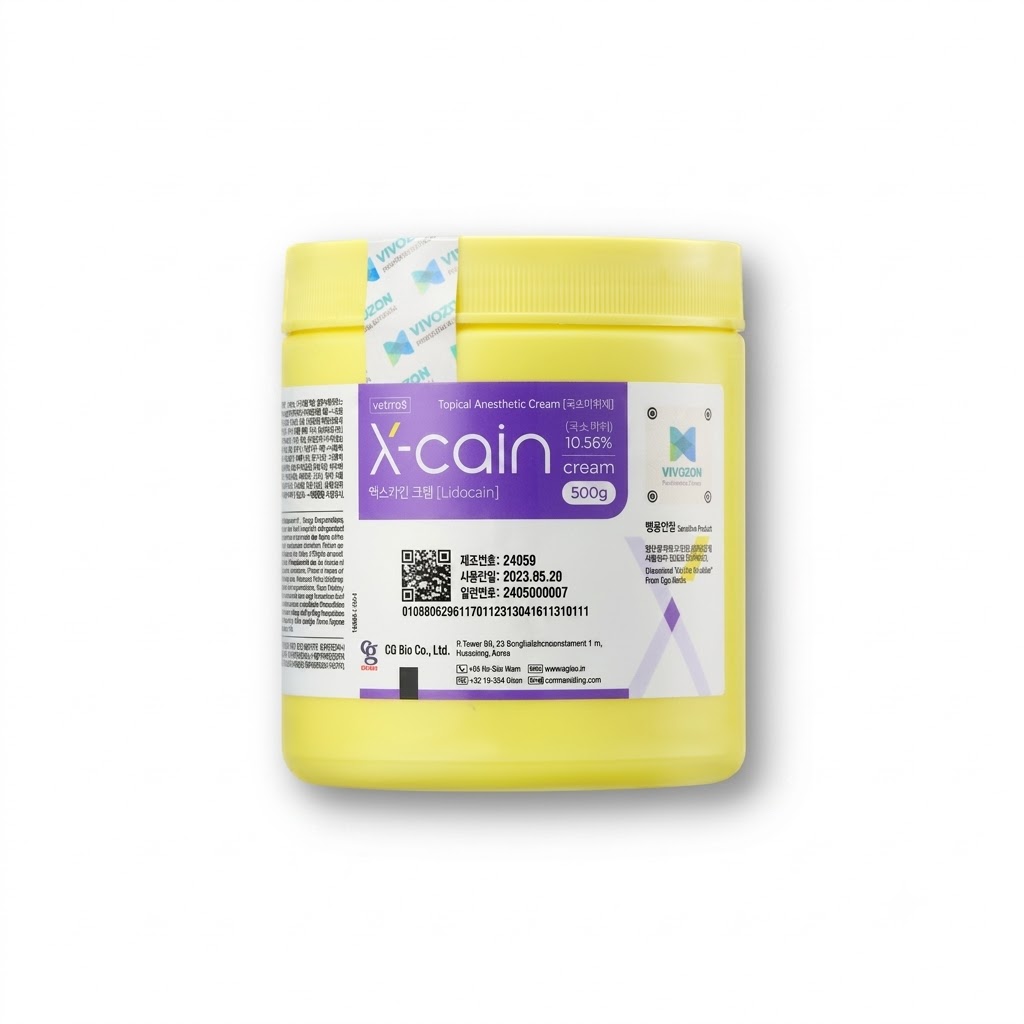
X Cain
Topical anaesthetic cream containing lidocaine, used to anaesthetise the skin before medical and aesthetic procedures on the face…
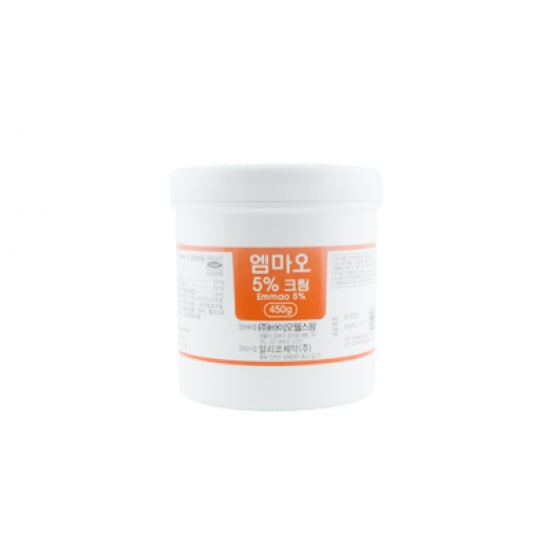
Emmao Cream 450gr
Topical anaesthetic cream combining lidocaine and prilocaine, used to anaesthetise the skin before laser, semi-permanent make-up, MTS and…
48$
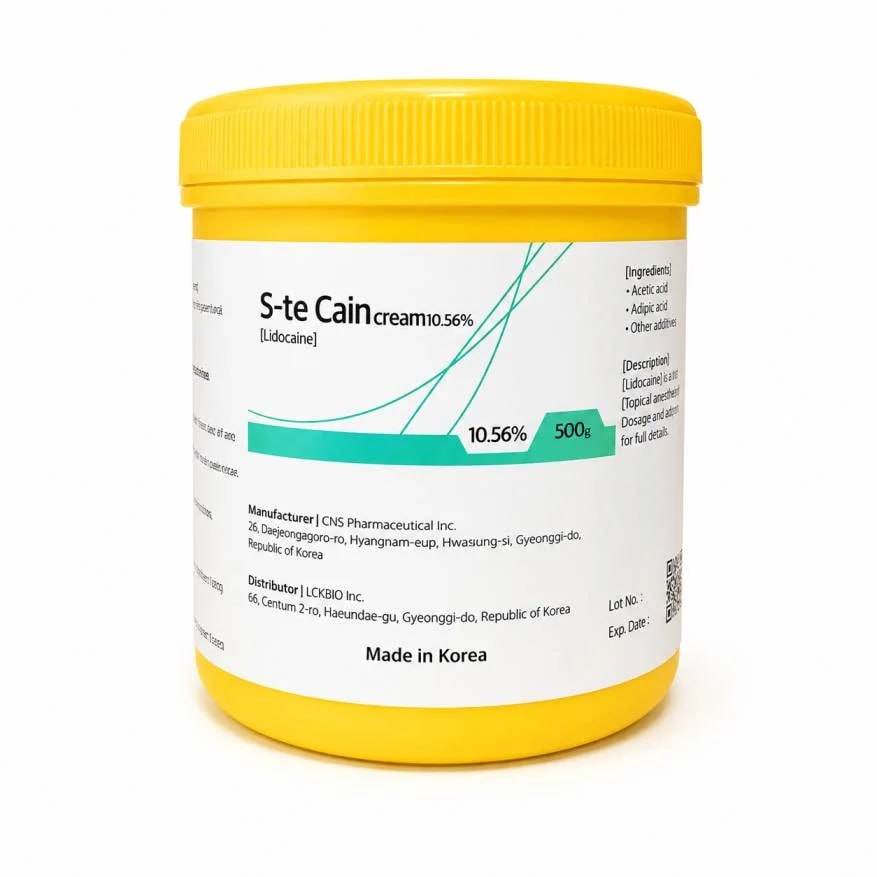
S-te Cain Cream 500gr
Topical anaesthetic cream containing lidocaine, used to anaesthetise the skin before injection procedures. One 500 g jar.
43$